
How Artificial Sweeteners Disrupt Gut Microbiome and Memory
Research shows artificial sweeteners can alter gut bacteria and, in animal studies, impair memory. This article reviews the evidence so students can decide whether to rethink their study-snack choices.
Updated:
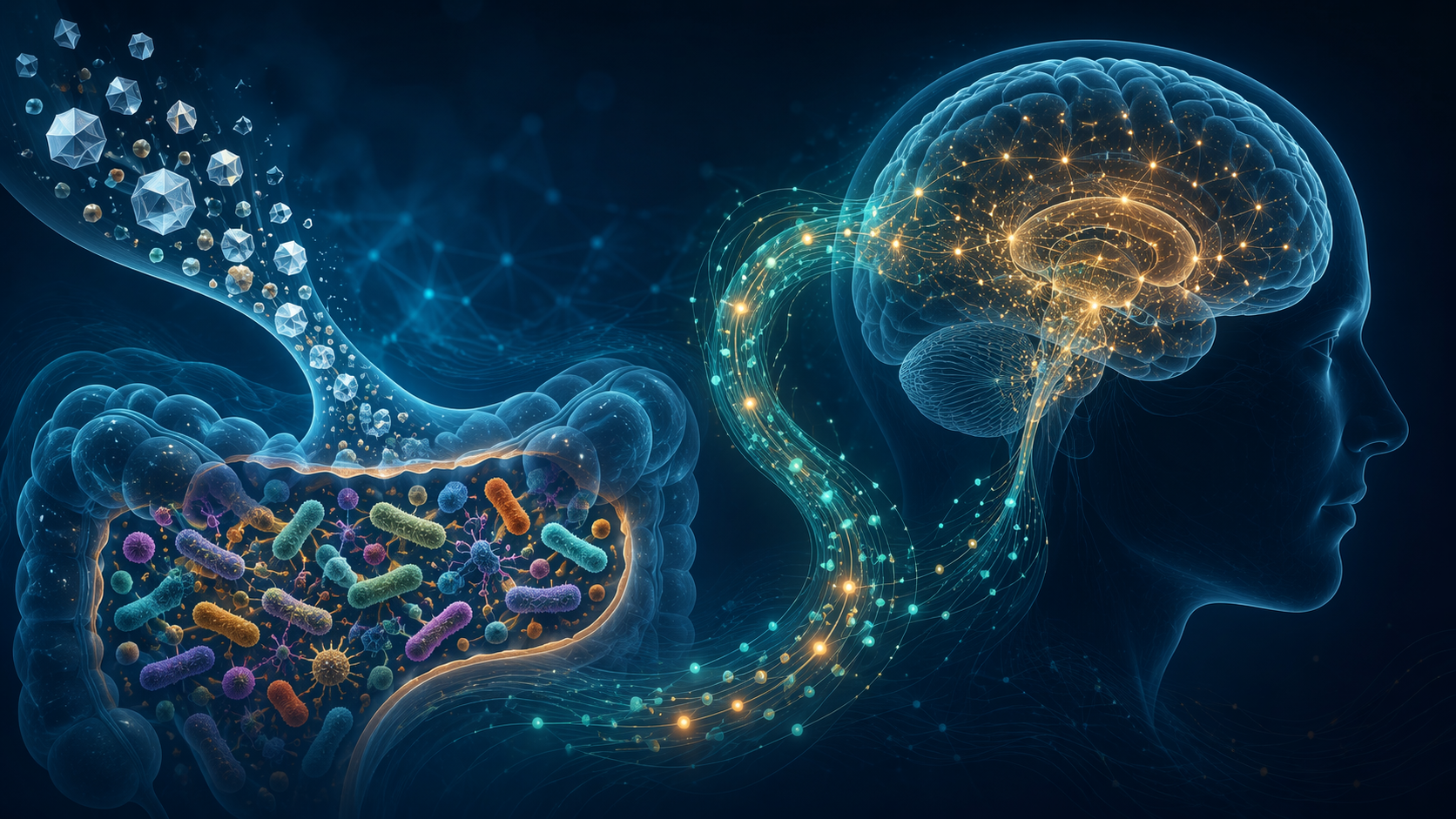
A student opening a diet soda or sugar-free energy drink before a long review session is usually making a practical choice, not a philosophical one. The reason this choice keeps getting attention is that a 2022 USC study found adolescent rats exposed to FDA-approved levels of saccharin, Ace-K, or stevia later showed impaired object recognition and spatial memory, with the effects tied to gut-brain axis changes [1].
What the strongest memory signal actually showed
That USC result is the closest thing this topic has to a student-memory warning, but it is still an animal study. It does not prove that one diet drink before an exam will blur recall. It does show something more specific and more useful: sweeteners can reach beyond digestion and change the conditions that support memory formation [1].
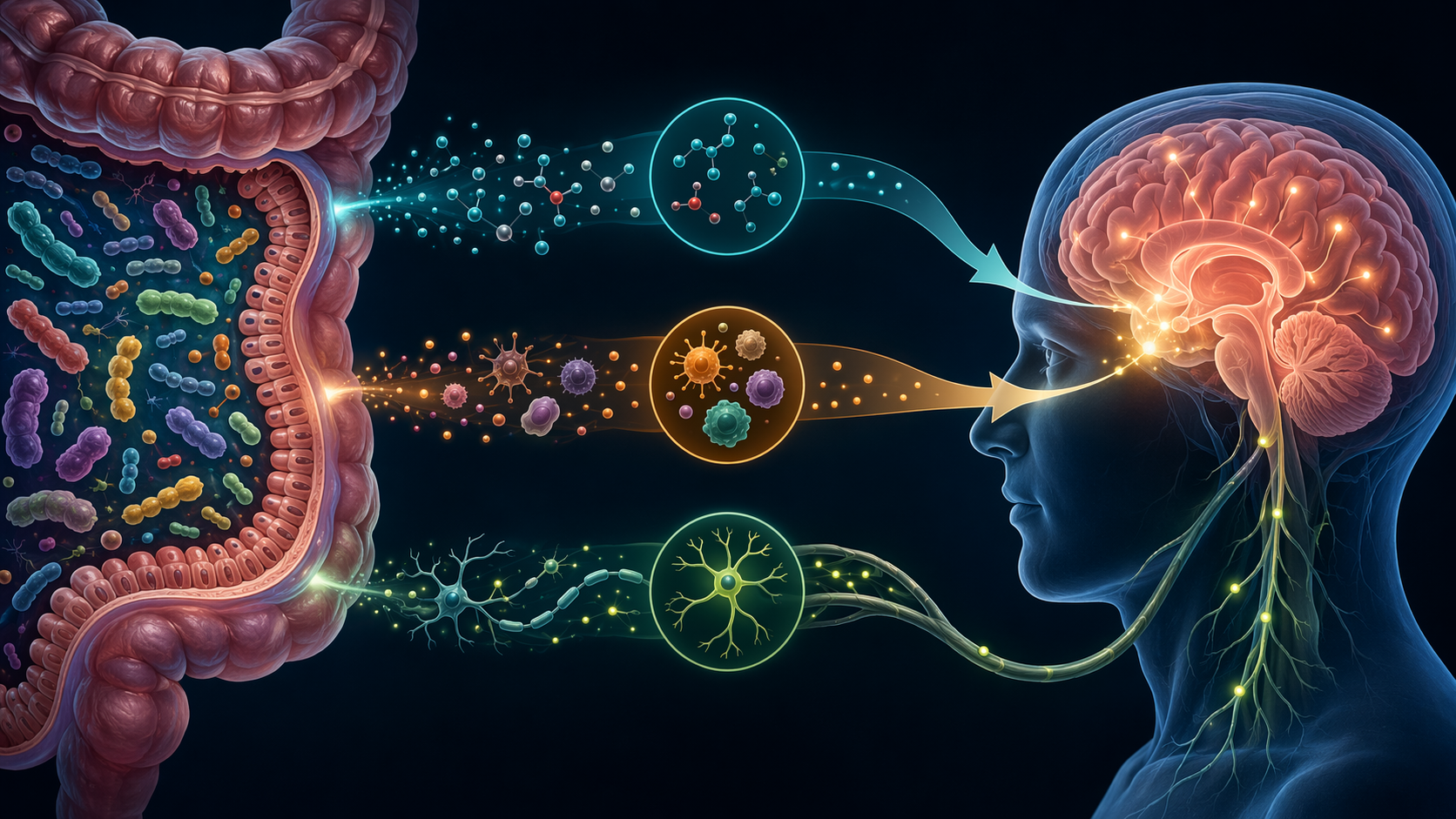
The study matters because it is not just about weight or sugar replacement. It points to a pathway students actually care about - if gut-brain signaling changes during adolescence, memory can change later too. That is a biological reason to pay attention without turning the result into a human certainty.
Why the microbiome keeps showing up
The broader microbiome evidence is what makes the memory result feel plausible instead of isolated. In 2014, Suez and colleagues reported that saccharin, sucralose, and aspartame could induce glucose intolerance by altering the gut microbiota in mice and in some human participants, and that the effect could be transferred through fecal transplant [2]. In 2022, the same research line showed that each of four sweeteners - saccharin, sucralose, aspartame, and stevia - changed the oral and gut microbiome in distinct ways across more than 120 human participants, and some people showed impaired glycemic response [3].
That is still not a direct memory finding in humans. It does, however, show that sweeteners are not microbiologically invisible, and that people do not all respond the same way [3].
Sweeteners are not one category
A July 2026 Cambridge lab study widened the picture by testing 39 sweeteners. About 75% directly affected the growth of at least one gut bacterial species, but the experiments used isolated bacterial cultures and synthetic communities, so the result shows biological potential rather than what a student will necessarily experience after a can of diet soda [5].
| Sweetener type | What the research suggests | How to read it |
|---|---|---|
| Sucralose, saccharin | More disruptive in head-to-head microbiome comparisons; the synthetic sweeteners reduced diversity more strongly [4]. | These are the sweeteners to be most cautious about if they show up every day. |
| Stevia, rebaudioside A | Less disruptive than the synthetic sweeteners in the same comparison [4]. | Less concerning does not mean perfectly neutral, but it is not reasonable to lump it together with sucralose. |
| Xylitol | Also appeared less disruptive and was associated with more favorable bacterial families in that study [4]. | A relatively softer option if someone wants to reduce microbiome disturbance. |
| Aspartame | Distinct microbiome changes have been observed in human trials, even though the pattern is not identical across sweeteners [3]. | It belongs in the discussion, but not as a stand-in for all artificial sweeteners. |
The table is the important correction: artificial sweeteners do not act as one substance. The research keeps separating them into different patterns, which is why blanket claims about every zero-calorie product go farther than the evidence does [3][4][5].
What students should take from the evidence
The defensible conclusion is narrower than the headlines. The evidence is consistent that artificial sweeteners can alter gut bacteria, and the strongest memory findings come from animal models rather than direct human exam studies [1][2][3][5]. That means panic is not justified, but neither is the idea that every sugar-free choice is automatically harmless.
- If you lean on diet soda or sugar-free energy drinks all day, it is reasonable to rotate some of that use toward less-disruptive options when you can.
- If your study routine already has weak sleep, irregular meals, and cramming, do not treat one drink as the sole explanation for a bad recall day.
- If you want to know whether a sweetener seems to affect you, look for patterns over time instead of reacting to one afternoon.
- Keep the bigger memory supports in place first: retrieval practice, spaced repetition, consistent study scheduling, and enough sleep to actually consolidate what you studied.
References
- Sugar substitute can impair memory later - USC Dornsife, 2022
- Artificial sweeteners induce glucose intolerance by altering the gut microbiota - Nature, 2014
- Personalized microbiome-driven effects of non-nutritive sweeteners on human glucose tolerance - Cell, 2022
- Synthetic and non-synthetic sweeteners differentially affect the gut microbiome - Frontiers in Microbiology, 2025
- Lab study tests 39 sweeteners for gut-bacteria effects - ScienceDaily, 2026-07-16
Comments
Join the discussion with an anonymous comment.