
Where Students Can Watch the Perseid Meteor Shower in 2026
The 2026 Perseid meteor shower peaks on August 12–13 under a new moon, creating the best viewing conditions in years. This guide helps students find dark-sky spots near campus — on foot, by transit, or on a weekend trip — without expensive gear.
If you are a student trying to figure out where to watch the Perseid meteor shower in 2026, start with the most practical version of the question: where can you actually get from campus, stay safely for a few hours after midnight, and get back without wrecking the next day?
This year is worth the effort. The Perseids peak on the night of August 12 into the morning of August 13, 2026, and the peak coincides with a new moon, so moonlight will not be washing out the sky at the worst possible moment. Under truly dark skies, the shower’s listed zenithal hourly rate is around 100 meteors per hour, though that is an idealized rate, not a promise for a campus quad or a suburban parking lot.[1] The shower is active from July 17 through August 24, so students who cannot make the exact peak still have a long window, with the best bet clustered around peak night.[2]
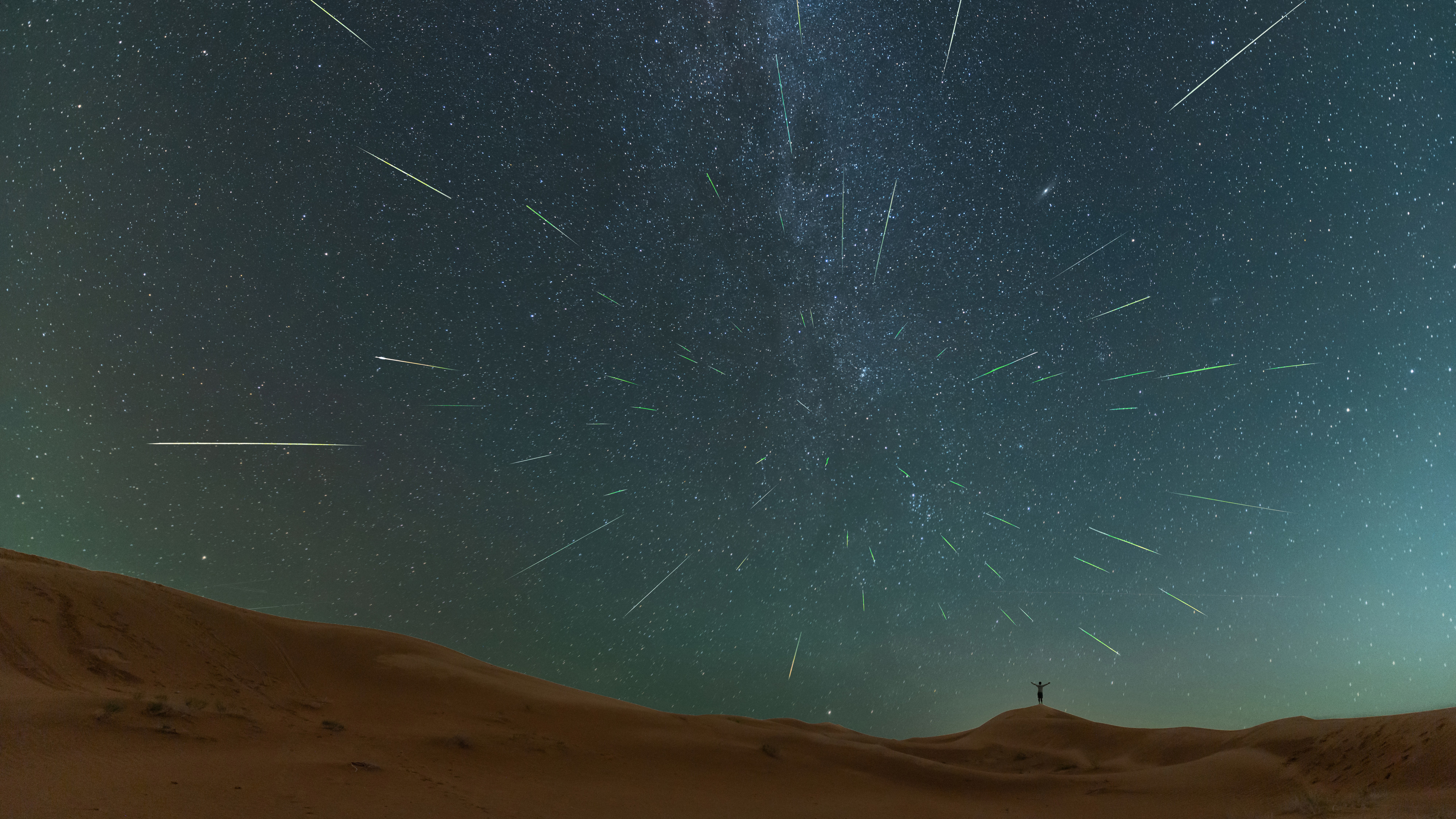
The basic viewing rules are forgiving, which is why this is one of the better sky events for students. You do not need a telescope or binoculars. You need a wide view of the sky, 20 to 30 minutes for your eyes to adjust to the dark, and enough patience to stay outside after the first cold, quiet, slightly disappointing 10 minutes. The Perseid radiant rises higher as the night goes on, so late night through dawn generally gives better results than early evening.[3]
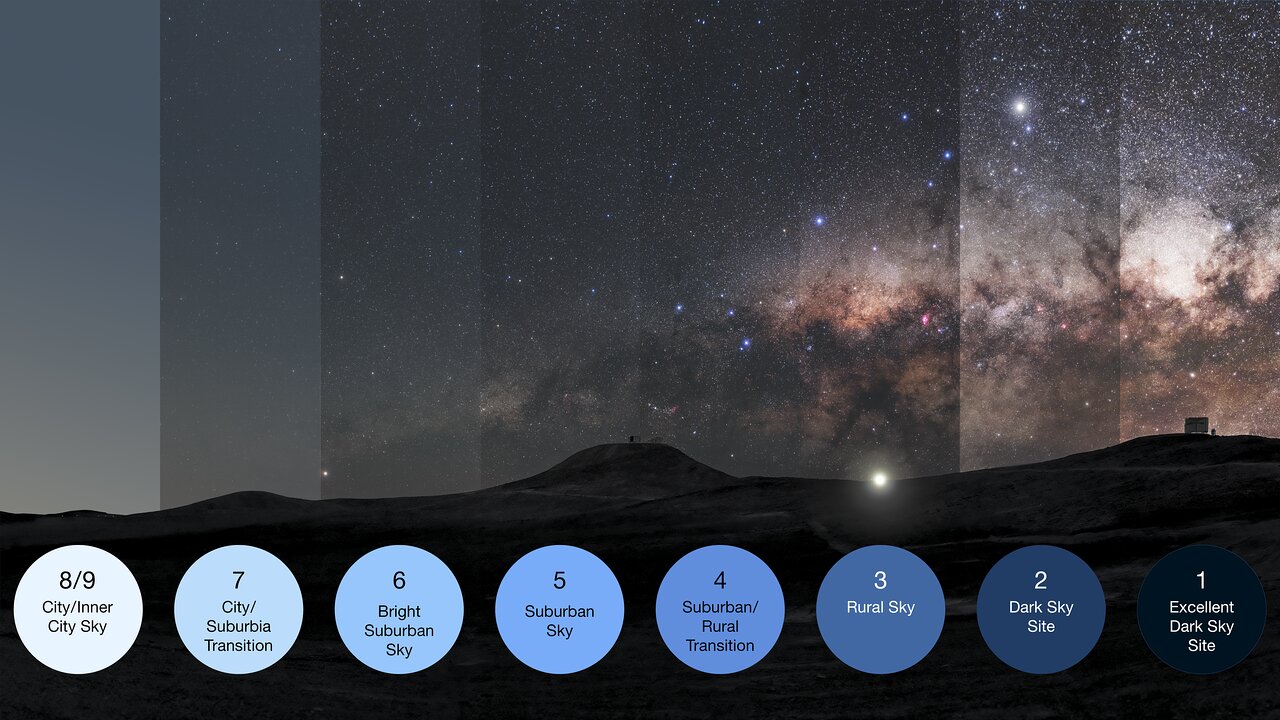
The hard part is not astronomy. It is light pollution, access, and transportation. A Bortle 8 campus lawn in the middle of a city is not the same experience as a Bortle 4 shoreline or a protected dark-sky park. In a heavily light-polluted zone, a student may see 80% to 90% fewer meteors than someone watching from a darker Bortle 4 site.[4] That does not make the city plan worthless. It just means the city plan should be treated as the fallback version, not the fantasy version.
Choose the darkest place you can reach and leave safely
A good student Perseid plan has tiers. Do not begin with “nearest national park” unless you already have a car, a free weekend, and people to share the trip. Start with what is reachable from your actual campus life, then move outward only if the added darkness is worth the cost, time, and return logistics.
| If this is your constraint | Start with this viewing option | What to verify before you go |
|---|---|---|
| No car, early class, or limited time | A dark campus edge, athletic field, observatory lawn, lakeshore, or open quad away from direct lights | Campus safety rules, building hours, whether the field is locked, and how you will get back to your room |
| Transit access or a friend with a car | A beach, reservoir, state park, rural overlook, or town park outside the main light dome | Last train or bus, parking hours, park closing rules, rideshare availability, and restroom access |
| Astronomy club, outdoor program, or residence hall group | A planned club dark-sky trip | Sign-up deadline, cost, departure time, return time, gear list, and whether beginners are welcome |
| Free weekend and reliable transportation | A certified dark-sky park, state forest, or national park | Campground or lodging, permits, weather backup, fuel cost, and whether late-night viewing is allowed |
Use LightPollutionMap.info before you commit. Search your campus, then slowly zoom outward until the color improves. The first useful destination is not always the darkest dot on the map; it is the darkest dot you can reach, legally enter at night, and leave without depending on a transportation miracle.[4]
Tier 1: the campus fallback that still counts
For many students, the most realistic Perseid site is still on campus. That may sound underwhelming, especially when meteor-shower photos show desert horizons and the Milky Way, but an on-campus plan is the difference between actually watching for an hour and never going because the “real” location required a car you did not have.
Look for open sky first, darkness second. A slightly brighter field with a broad horizon is often better than a tiny dark courtyard boxed in by buildings. Athletic fields, intramural fields, observatory lawns, agricultural research fields, lakeside paths, golf-course edges, and the far side of large parking areas can work if they are legal and safe to access. Avoid places where stadium lights, dorm windows, security lighting, or passing headlights shine directly into your eyes.
This is also where campus-specific knowledge matters. A graduate student may know which lab lot stays lit all night; a resident assistant may know which lawn security patrols do not mind students using; an astronomy club may know which hill has the best northern and eastern sky. Ask before peak night. “Can students be on the intramural fields after midnight?” is a much better question than “Where is the darkest place around here?”
- Choose a place where you can see a large piece of sky, not just the constellation Perseus.
- Arrive at least 20 to 30 minutes before you expect serious watching so your eyes can adjust.
- Face away from the worst light dome if your campus sits near a city center.
- Bring a blanket or reclining chair; standing and craning your neck makes people give up early.
- Use a red-light mode or keep your phone dim and mostly away; one bright screen can reset your night vision.
Tier 2: short trips that beat the campus light dome
The sweet spot for many students is not a famous wilderness area. It is a state park, beach, reservoir, or rural shoreline just far enough from the city to drop a few Bortle classes. That kind of site can turn a frustrating “I think I saw one” night into a steady watch, especially in 2026 when the moon is not competing with faint meteors.
Boston-area students have a useful model in the Harvard STAHR dark sky trip guide. The guide points students toward local observing options rather than pretending every good sky requires a western road trip. One of its examples, Halibut Point State Park on Cape Ann, is listed as a Bortle 4 site, which is a meaningful improvement over central Boston’s light dome.[5]
Halibut Point also shows why “near campus” is not the same as “simple.” A shoreline state park can be excellent for open sky and darker horizons, but students still have to check closing hours, legal nighttime access, parking rules, transit schedules, and whether the return trip exists after midnight. If the last train leaves before the radiant is high, the plan needs a carpool, an overnight arrangement, or a different site.
The same method works outside Boston. Search outward from campus for water, farmland, state recreation areas, trailheads, and public lands that sit outside the brightest urban colors on a light-pollution map. Then compare that darker patch with the boring details: gates, fees, police jurisdiction, rideshare coverage, cell service, and whether anyone in your group knows the road in daylight.
Tier 3: use the people on campus who already solved this
Astronomy clubs, physics departments, outdoor programs, honors colleges, and residence halls are often better search tools than national travel lists. They know which nearby parks tolerate late-night observing, which overlooks are too exposed to headlights, which lots are safe, and which sites look promising on a map but close at sunset.
The University of Utah’s @theU article is a good example of this campus-adjacent approach. It highlights dark-sky parks near campus, including Rockport State Park and other International Dark Sky Park options around Utah, with practical travel framing for students starting from Salt Lake City.[6] That does not mean Utah students have it effortless; it means their local university ecosystem has already translated “go somewhere dark” into named places and routes.
If your campus has a club trip, ask the unglamorous questions early: When does the van leave? When does it return? Is there a waitlist? Do you need to pay dues? Are non-majors welcome? Can first-year students come? Is the trip canceled for clouds? Do you need closed-toe shoes, a sleeping bag, or a signed waiver? The best Perseid plan is the one that still works when you discover you have lab until 6 p.m. and a quiz two days later.
Students without a car should check club calendars first, then outdoor recreation rental centers, then department newsletters, then local amateur astronomy societies. A public star party may be easier than building a full trip from scratch, and for the Perseids, you do not need anyone to hand you a telescope. You mainly need a safe dark place, a ride, and permission to be there late.
Tier 4: weekend dark-sky destinations
If you can make a weekend of it, certified dark-sky parks and national parks are where the Perseids can feel much closer to the headline numbers. The Western National Parks Association recommends several national parks for Perseid viewing, a useful starting point for students who already have transportation and can plan lodging or camping ahead of time.[7]
For students in the Northeast, Cherry Springs State Park in Pennsylvania is one of the better-known dark-sky targets. Pennsylvania’s Department of Conservation and Natural Resources describes Cherry Springs as a dark-sky park with astronomy-focused overnight viewing areas, making it a serious option for students who can organize a longer trip rather than a same-night outing.[8]
A bigger trip should not be thrown together on August 12. Dark-sky parks can require reservations, have separate overnight astronomy areas, restrict white lights, or fill campgrounds around major sky events. National parks add distance, entrance fees, lodging pressure, wildlife rules, and mountain or desert weather. The reward can be enormous, but the student version of that reward usually depends on splitting costs and assigning one person to be boring about logistics.
What you are actually looking for in the sky
The Perseids are debris from comet 109P/Swift-Tuttle, and NASA notes that the shower is known for fireballs, with more fireballs than any other annual meteor shower because Swift-Tuttle has a large comet nucleus about 26 kilometers across.[9] That is the part worth getting a little excited about. Even from a less-than-perfect site, a bright Perseid can cut through enough sky to make everyone stop talking at once.
Still, meteor watching is uneven. You may see several in a few minutes and then nothing for a while. Do not stare through a phone app trying to locate Perseus the whole time. Lie back, look at the darkest broad area of sky you have, and let your peripheral vision do some work. The meteors can appear across the sky even though their paths trace back toward the radiant.
The eclipse is a bonus, not the plan
There is one extra 2026 wrinkle: a total solar eclipse also occurs on August 12, the same date as the Perseid peak.[1] For students in the eclipse path, that could make the day unusually memorable. For most students planning a meteor-shower night, it should stay a bonus fact, not the center of the plan. The Perseids do not require eclipse glasses, daytime travel, or being inside a narrow path of totality. They require darkness after midnight and a place where artificial light is not doing all the talking.
A student plan for August 12–13
Put the peak night on your calendar now, especially if your semester starts early, you work mornings, or you have orientation duties. The useful viewing window is late night into dawn, so the cost is not only transportation; it is sleep. If you use a homework tracker or study planner, block the night the same way you would block a review session or lab deadline. The point is not to turn a meteor shower into productivity content. It is to notice the conflict before midnight arrives.
- Check the weather and cloud cover before you leave; a darker site does not help under solid clouds.
- Compare your campus and nearby options on LightPollutionMap.info, then pick the darkest reachable place, not the most dramatic one.
- Verify legal access after midnight, including gates, parking, campus rules, park closing times, and restroom availability.
- Arrange the return trip before you go, especially if you are relying on transit, rideshare, or someone else’s car.
- Bring layers, water, snacks, a blanket or chair, a dim red light, and enough battery to get home.
- Give your eyes 20 to 30 minutes without bright screens, then watch from late night toward dawn if your schedule allows.
For 2026, the moon is not the thing working against you. The main decision is how much darkness you can reach without making the night unsafe, expensive, or impossible to recover from. A campus field is acceptable. A transit-accessible shoreline may be better. A club trip may be easiest. A weekend dark-sky park may be spectacular. Choose the darkest version that fits your real constraints, then stay outside long enough for the sky to do what it came to do.
References
- Perseid meteor shower 2026: When, where & how to see it, Space.com.
- Meteor Shower Calendar, American Meteor Society.
- Everything you need to know: Perseid meteor shower, EarthSky.
- Light pollution map, LightPollutionMap.info.
- Dark Sky Trip Guide, Harvard STAHR.
- 6 dark sky parks near campus, @theU.
- Best National Parks for Perseid Meteor Shower, Western National Parks Association.
- Cherry Springs State Park, Pennsylvania Department of Conservation and Natural Resources.
- Perseids, NASA Science.
Apply This Method
Related Methods
- Turn the 2026 Perseid Meteor Shower Into an Astronomy Study Session
Learn how to use the 2026 Perseid meteor shower peak (Aug 12–13) as a hands-on astronomy study session. Apply concepts like radiant geometry, ZHR, magnitude estimation, and atmospheric entry physics while collecting real observational data with standard reporting forms.
- Use the Perseid Meteor Shower Peak as an Astronomy Lesson
Turn the 2026 Perseid meteor shower peak into a structured astronomy study session. Learn how hands-on observation of the shower can reinforce orbital mechanics, atmospheric physics, and celestial coordinate skills more effectively than reading alone.
- What the Iliad Fragment Discovery Means for Modern Students
The discovery of an Iliad fragment on an Egyptian mummy reveals that the ancient Greeks used a sophisticated spatial mnemonic to memorize long epic passages. Learn how Homer's Catalogue of Ships encodes the method of loci and what it teaches about memory techniques you can use today.
Comments
Join the discussion with an anonymous comment.