
GRE Exam Hub
Epstein as a Criminological Case Study for Your Next Exam
Learn how the Jeffrey Epstein case serves as a textbook-quality illustration of multiple criminological theories for exam responses—differential association, white-collar crime, conflict theory, and routine activity theory—and how to deploy the right theory for each aspect of the case to demonstrate mastery under timed conditions.
- SAT
- ACT
- GRE
- MCAT
- ASVAB
- digital-sat
- adaptive-testing
- registration-fee
- content-outline
- score-target
Start With the 2008 NPA
On an exam, do not start with biography or outrage. Start with the 2008 non-prosecution agreement, because that is the clean anchor fact: Epstein received immunity, the deal was filed under seal, victims were excluded from the negotiations, and the DOJ Office of Professional Responsibility later concluded that Alexander Acosta acted within the scope of his authority [1].

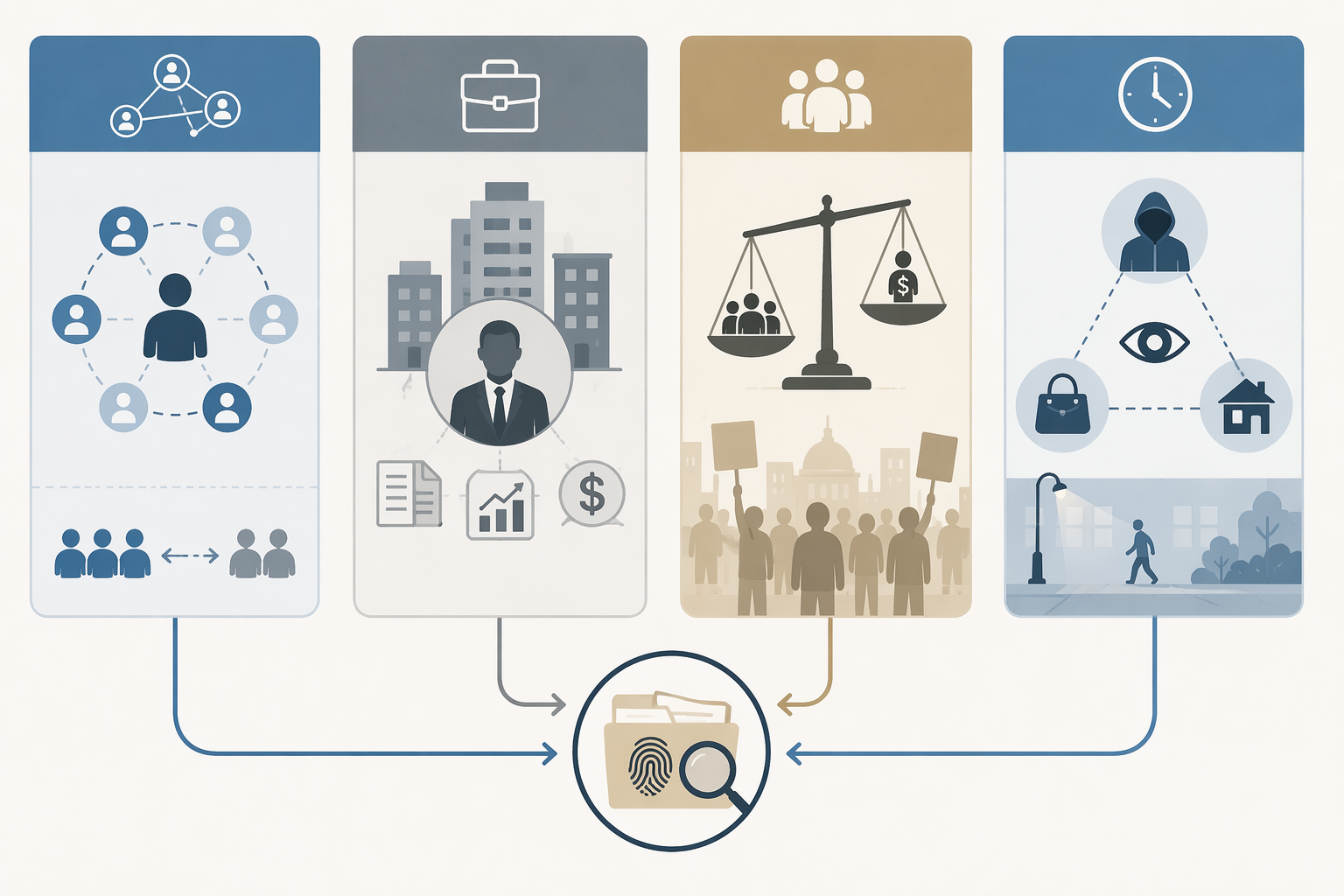
That pair of facts keeps the answer disciplined. The question is not whether the outcome was morally acceptable; it is which criminological framework explains which layer of the outcome. Differential association fits learned offending, white-collar crime theory fits status shielding, conflict theory fits structural leniency, and routine activity theory fits the offense pattern itself.
| Theory | What it explains in the Epstein case | Timed-response sentence |
|---|---|---|
| Differential association | How criminal techniques are learned, normalized, and reinforced in elite networks [2] | Epstein's offending can be read as learned and reinforced behavior rather than isolated pathology. |
| White-collar crime theory | How status buys procedural patience and bargaining leverage, including the kind of negotiated outcome seen in the 2008 NPA [1][2] | The key issue is elite status shielding the offender from ordinary prosecution. |
| Conflict theory | How ordinary legal discretion can still produce a two-tier result instead of equal treatment [1][2] | The case shows structural inequality in criminal justice, not a hidden conspiracy. |
| Routine activity theory | How a motivated offender, suitable targets, and weak guardianship lined up, especially where victims were shut out of the plea process [1] | The offense pattern makes sense when guardianship fails. |
Differential Association Is the Best First Pass
Differential association does not mean 'bad friends equal crime.' It means criminal techniques, definitions, and justifications are learned in social settings where they are repeated and rewarded. That is the useful reading here: the case is about how elite access can make deviance feel administratively manageable, not about one man's private pathology. In a timed answer, the clean sentence is that Epstein's offending was sustained by networked reinforcement rather than random opportunity [2].
Do not overclaim that every person around him shared the conduct. Differential association is narrower than guilt by association. The point is that a network can normalize methods, protect reputations, and lower the social cost of repeated abuse. That is the theory-to-fact match worth earning points for.
Routine Activity Explains the Crime Pattern
Routine activity theory is the part students usually flatten into jargon, which is a waste because this case gives a clean offender-target-guardian fit. Epstein is the motivated offender; the relevant targets were vulnerable enough to be approached in contexts that made resistance harder; and guardianship failed both in the abuse environment and in the plea process, where victims were not consulted before the 2008 NPA [1].
That is why routine activity belongs in the answer when the prompt asks about the offense pattern, not the politics of sentencing. It explains access and protection better than a vague 'power and money' paragraph does. If the exam question asks how the abuse could continue, this is the theory to reach for.
White-Collar Crime and Conflict Theory Do the Structural Work
White-collar crime theory is useful because it shifts attention from street-level dishonesty to status-based insulation. The 2008 NPA shows what elite bargaining can look like when a defendant enters the process with money, lawyers, and institutional deference already on his side [1][2]. You do not need an exact plea-rate statistic to make the point in class; you only need to show that federal bargaining rewards resources, and Epstein had plenty.
Conflict theory takes the next step and treats the result as structural, not conspiratorial. The system did not need a hidden cabal to produce a two-tier outcome; ordinary discretion was enough. The DOJ OPR's conclusion that Acosta acted within the scope of authority is exactly why this works as a conflict-theory example [1]. A later academic reading of the case also treats it as elite privilege moving through normal legal channels rather than an exception that proves the rule [2].
Where the Evidence Stops
The FBI review matters mainly as a boundary marker. As of July 2026, the reported findings say there was no 'client list,' no evidence of a broader trafficking ring lending out girls, and no video evidence of abuse by others; the documented criminal conduct remained tied to Epstein and Maxwell [3]. That is enough for an exam answer because it tells you where the record ends and where conspiracy storytelling begins.
So the best answer is not the longest one. It is the one that names the theory that fits the fact being discussed: learned offending for networked normalization, white-collar crime for status shielding, conflict theory for structural leniency, and routine activity for the offense pattern. When time is short, return to the 2008 NPA and the DOJ OPR finding; that anchor pair keeps the response credible under scrutiny [1].
References
- Investigation into the Allegations of Misconduct by Former U.S. Attorney Alexander Acosta in Connection with the Non-Prosecution Agreement in United States v. Jeffrey Epstein — U.S. Department of Justice, Office of Professional Responsibility, 2020
- Shielded by Power: Jeffrey Epstein, the Justice System, and the Persistence of Elite Privilege — Diggit Magazine, 2025
- AP Review on What the Epstein Files Show About the FBI Investigation of Possible Sex Trafficking — PBS NewsHour / Associated Press, 2026
Related exhibits & inventory
Verified outcomes
Planners
No planner filed for this exam yet
A downloadable timeline template for this exam hasn't been published yet.
Tool verdicts
AI-tool cautions
No AI tools tested for this exam yet
No hands-on AI-accuracy logs have been filed for this exam.
Questions about this plan
Ask a question about a specific section, timeline, or citation in this plan — or flag something that needs correcting.
Comments
Join the discussion with an anonymous comment.